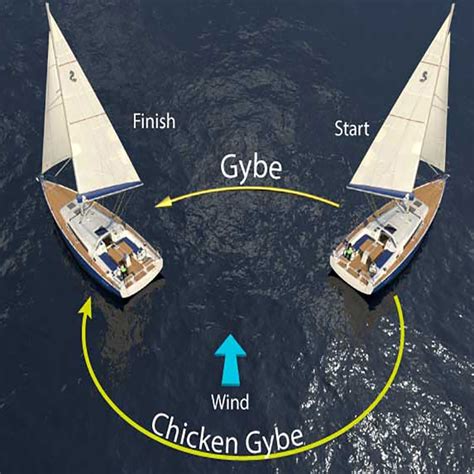
How to stop a Chinese gybe
So, a Chinese gybe. Sounds kind of exotic, right? Really, it's the worst. Your boom just decides to take a flying leap across the boat, totally out of control. It's one of those sailing moments that can go from "nice day out" to "oh crap, broken bones and a wrecked rig" in a heartbeat. It can knock someone out, snap stuff, or even put you on your side. Stopping one means you gotta be smart before it happens and have reflexes like a cat when it does. Here's the real deal on keeping your head and the boom where they belong.
What causes a Chinese gybe?
Honest answer? Usually it's just sloppy seamanship or getting caught out. What happens is the wind gets behind the main — you're running downwind, maybe a bit too deep — and *wham*, it shoves the boom right across the deck with insane force. This crap happens when your mainsheet's way too loose, the vang is basically doing nothing, or a gust sneaks up on you from the wrong angle. Unlike a gybe you plan, this one has zero finesse. No trimming, no steering, just chaos.
How to prevent a Chinese gybe
Look, the best way to deal with a Chinese gybe is to never let one start. It's way easier than fixing it after. Here's what works, and you really should do this stuff every time:
- Use a preventer: I cannot stress this enough. It's a line that runs from the end of your boom forward to a cleat or the bow. It physically stops the boom from swinging. If you're going downwind, especially when it's gusty or you're shorthanded, rig one. It's cheap insurance.
- Keep the mainsheet tight: A floppy mainsheet means a floppy boom that can go anywhere. Trim it in so it's controlled but not locked. In heavier air, use the vang to manage the leech shape so the boom doesn't lift.
- Steer a controlled course: Sailing dead downwind is asking for trouble. Honestly, just don't do it if you can help it. A broad reach with the wind a bit off the stern is way safer. The sail stays filled on one side and you've got a chance.
- Monitor wind shifts: You gotta keep your head out of the boat. If the wind starts moving aft, you need to think ahead. Maybe gybe on purpose, maybe steer around it. Talk to your crew about what you see.
- Use a boom brake: This gadget slows the boom down when it *does* gybe, so it's not a violent slam. Great for cruisers or anyone sailing with a small crew who can't muscle the boom around.
What to do if a Chinese gybe starts?
Okay, so it's happening. You've got maybe two seconds. Don't freeze. Do this stuff:
- Shout a warning: Yell "GYBE!" or something loud. Everyone needs to duck. The boom can kill you or knock you overboard. Get low, get clear.
- Bear away: Steer the boat away from the wind. This is counterintuitive but it reduces the angle of the swing. If you can, turn into a broad reach or even head up a tiny bit to spill wind from the sail.
- Release the mainsheet: If the boom is already flying, letting the sheet run can take some of the power out of the swing. But be careful — a flogging main is its own kind of nightmare with chafe and control issues. Use this as a last resort.
- Ease the traveler: If your boat has one, slide the car to leeward. This reduces the load and helps the sail settle after the crash.
- Prepare for the crash: If there's no stopping it, just brace. Get everyone clear. After the boom slams across, trim the mainsheet fast and get the boat back under control.
How to recover after a Chinese gybe
So the boom has swung, the boat is still upright (hopefully). Now you gotta clean up the mess:
- Check the crew: First thing. Anyone hit? If someone got clocked by the boom, that's a real medical emergency. Head injuries are no joke. Deal with that before anything else.
- Inspect the rigging: Look at the boom, gooseneck, shrouds, mast. A busted gooseneck or a bent boom means your rig is compromised. If you see damage, get the sails down and head for shelter.
- Trim the sails: You're probably on a new tack now. Get the main and jib trimmed for the new course. If the boat is leaning too much, reef the main. You don't need more drama.
- Re-rig the preventer: If you didn't have one on, put one on now. If you did and it broke, figure out why and fix it. You don't want a repeat performance.
- Steer a safe course: Get the boat stable. A close reach is usually a good bet. Stay away from deep downwind until you're sure everything is okay.
Common mistakes to avoid
People mess this up all the time. Here's what not to do:
- Not using a preventer: This is the big one. Even good sailors skip it, especially in light air. Don't be that guy. Use it every time you go downwind.
- Over-tightening the vang: A super tight vang locks the sail shape and makes the gybe more violent. Moderate tension is your friend downwind.
- Ignoring the wind: Just staring at the compass or your phone. Watch the water, watch the telltales. The wind will tell you what's about to happen.
- Panicking: This is when people grab the boom (bad idea) or pull the wrong line. Take a breath. Follow the steps. You'll get through it.
Equipment that helps prevent Chinese gybes
| Equipment |
Function |
Best for |
| Preventer line |
Holds the boom in place to prevent accidental gybes |
All downwind sailing |
| Boom brake |
Slows the boom's swing during a gybe |
Cruising boats, short-handed crews |
| Mainsheet traveler |
Allows precise control of the boom's position |
Racing and performance sailing |
| Autopilot with wind mode |
Helps maintain a steady course relative to the wind |
Long passages, single-handed sailing |
Frequently asked questions about Chinese gybes
Is a Chinese gybe the same as an accidental gybe?
Pretty much, yeah. It's a specific *type* of accidental gybe — the violent, uncontrolled one where the boom really slams. All Chinese gybes are accidental, but not every accidental gybe is a Chinese one. Some are just sloppy.
Can a Chinese gybe break the mast?
Oh, absolutely. The force can snap the gooseneck, bend the boom, or overload the shrouds. I've seen masts come down from this. That's why you hear people say "prevention is critical." It's not just talk.
How do I rig a preventer correctly?
Clip a line to the end of the boom — use a padeye or a strop. Lead it forward to a strong deck fitting like a bow cleat. Tension it so the boom can't swing forward. Use a quick-release knot or a clutch so you can dump it fast if you need to. Practice this on the dock first.
Should I release the mainsheet during a Chinese gybe?
It's a tough call. Letting the sheet run can take the sting out, but then you've got a flogging sail that can chafe and be hard to control. Honestly, trying to steer through it is usually better. Only blow the sheet if the boom is about to hit someone or you're completely out of options.
Resumo rápido
- Prevenção é a chave: Use sempre um preventer ao navegar em downwind. Isso impede que a retranca balance violentamente.
- Reaja rápido: Se uma chinesa acontecer, grite para alertar a tripulação, vire o barco para longe do vento e prepare-se para o impacto.
- Recupere o controle: Após a chinesa, verifique ferimentos e danos no rigging. Ajuste as velas e siga para um curso mais seguro.
- Evite erros comuns: Não navegue diretamente contra o vento, não aperte demais o vang e nunca ignore as mudanças de vento.
Related articles
Recent articles
